African Americans
New Orleans was a busy hub for the slave trade. These
slaves somehow managed to keep their heritage and traditions alive even after
the Louisiana moved from the French to Spanish control then to American. Many
aspects of their culture where eventually adopted by the New Orleans overall
culture. Many slaves congregated to play music, dance, and socialize in an area
called Congo Square, now part of Armstrong Park. These gatherings eventually
formed the seed that would give birth to jazz. Jazz has been highly influential
in other forms of music such as rhythm and blues, and rock ‘n’ roll. Mardi Gras
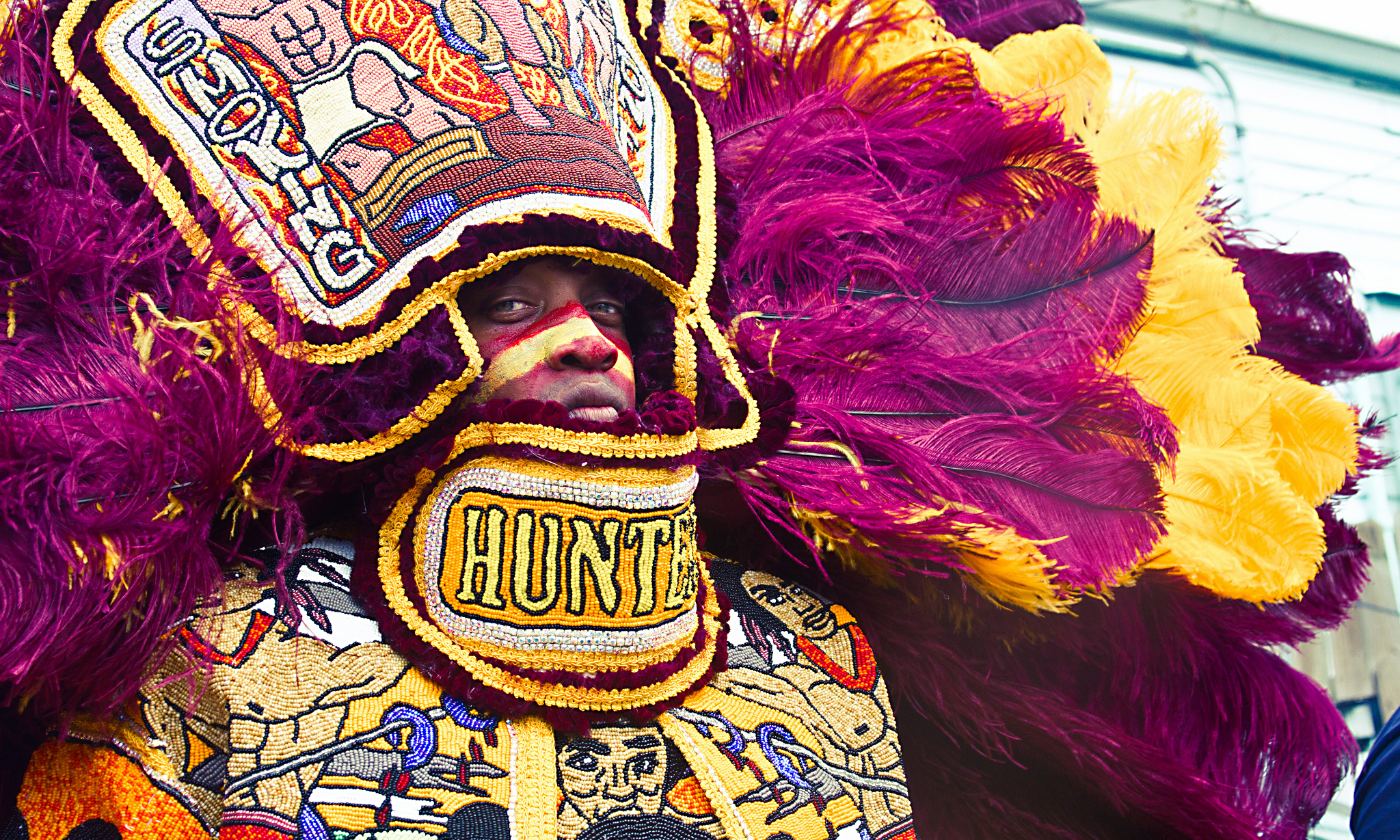
traditions are mostly from African American culture. New Orleans is home to two
historically African American colleges, Dillard University and Xavier
University. Xavier University is known to be the only African American Catholic
college in the United States. (1)


Cajuns
Many people believe that Cajuns are New Orleans people
however this is a frequent misconception. The Cajuns actually lived in south
Louisiana and west of the city all of the way to Texas. Their influence was
strong throughout Louisiana and their culture so rich that their heritage and
New Orleans culture is filled with the presence of the Cajuns. The word Cajun
comes from the word Acadia. This name was used to refer to French immigrants
that settled in Canada in the early colonial era. The British gained control of
these French colonies and eventually forced these people into exile. A few
hundred Acadians ended up in French speaking New Orleans. They did not feel
comfortable in the city and moved to more rural areas in Louisiana. Thousands
of Acadians began arriving to these areas and mixing with German and other
settlers. Their old traditions and language merged and created a new Cajun
culture. One of the ways the Cajuns are influential in New Orleans is their
cuisine. Gumbo, etouffee, and jambalaya are Cajun dishes found everywhere in
New Orleans. Instruments used in Cajun music include fiddles, guitars, and
accordions. The Cajun music style heavily influenced Zydeco music which is a
more modern electrified form of this style. (2)

Creoles

Creoles
Creoles are vital in defining the culture and history
of New Orleans. In the 1720’s the word Creole referred to French descendants
who were born in Louisiana. By the 1750’s the descendants of the French and
Spanish adopted the word to separate themselves from the Americans that were
moving into the area. By the mid 1800’s the term was used to describe mixed
race people as well as whites. The Creoles considered themselves as
sophisticated and lived with a European style. Their love of food and drink
gave birth to cocktails and Louisiana cuisine. Bernard Marigny is a Creole
known for making the dice game craps popular. He also sold lots of his land to
other Creoles. These white Creoles built cottages on these lots to house their
mistresses and second families. Today this neighborhood is called the Faubourg
Marigny. This neighborhood has colorful buildings that fill the American
Quarter known as the central business district. (3)
Spanish
The architecture of the French Quarter is actually
Spanish. The Spanish ruled New Orleans for forty years and in those forty years
many fires destroyed the original French architecture. It was the Spanish who
rebuilt the city after the fires. To prevent fires, it was the
Spanish-controlled government that mandated stucco to replace wood for
construction materials. It was also mandated that all buildings must be placed
by the streets and near each other. (4)


Works Cited
1. New Orleans Official Guide. “African American
History in New Orleans.” Neworleansonline.com. http://www.neworleansonline.com/neworleans/multicultural/
multiculturalhistory/africanamerican.html (accessed January 1, 2018).
5. “Cabildo – Expedia,” Google Search, Google, 1 Jan.
2018, https://www.expedia.com/ pictures/louisiana/new-orleans/cabildo.d6076664?view=large-gallery&photo=23083
6. “The Presbytere – Wikipedia,” Google Search,
Google, 1 Jan. 2018, https://upload. wikimedia.org/wikipedia/commons/6/67/Presbytere9JulyA.jpg.Hannah Cage


No comments:
Post a Comment